High up in the deadly heights of Mount Everest, where the air is thin and every step can be life-threatening, there is a figure that climbers will never forget: Green Boots.
This name may sound simple, but it carries a haunting story of courage, tragedy, and the harsh reality of the world’s highest peak. For years, Green Boots marked a chilling landmark in the notorious “death zone,” a silent reminder of the risks that climbers face in pursuit of adventure and glory.
For years, Green Boots marked a chilling landmark in the notorious “death zone,” on Mount Everest, a silent reminder of the risks that climbers face in pursuit of adventure and glory.
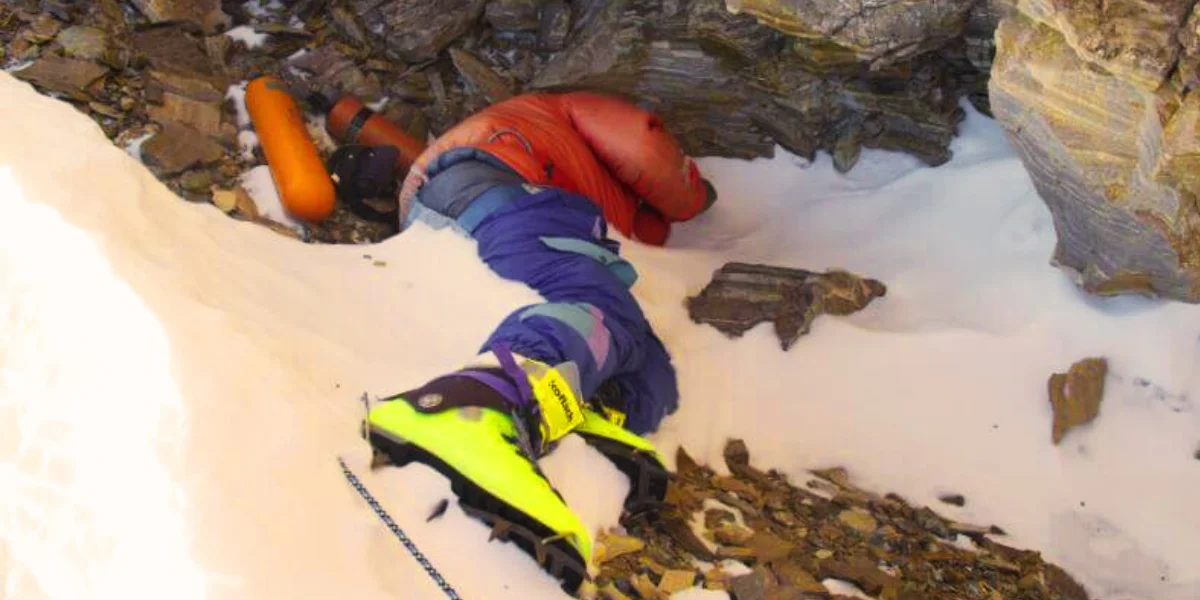
Climbers from all over the world, trekking on the north route, would recognize Green Boots instantly not by name, but by the bright green boots he wore, frozen forever in the icy cave where he took his last breath.
Over time, Green Boots became more than just a climber who died; he became a symbol of Everest’s dangers, a point of reflection for adventurers, and a story passed along by mountaineers to anyone daring to reach the summit.
But who was Green Boots, and what led him to that frozen resting place? His story is intertwined with the thrill, tragedy, and mysteries of Everest, making him one of the most remembered figures in mountaineering history.
Who Exactly Is Green Boots?
Green Boots is the nickname given to a climber whose body became one of the most infamous landmarks on Mount Everest.
He is widely believed to be Tsewang Paljor, an Indian mountaineer from the Indo-Tibetan Border Police team, although his identity has never been officially confirmed.
The name “Green Boots” comes from the bright neon-green climbing boots he was wearing when he died, which made him instantly recognizable to other climbers passing through the northeast route of Everest.
He died during the 1996 Everest expedition, likely due to extreme weather, exhaustion, and lack of oxygen in the Death Zone above 8,000 meters.
Over the years, his frozen body remained in a small cave along the climbing path, turning him into a grim but well-known landmark for adventurers.
The Story Behind the Name “Green Boots”
The name “Green Boots” did not come from records, interviews, or any official report. Instead, it came from the reality of the mountain itself.
Climbers passing through the narrow, rocky section of the northeast route often saw a body lying in a small cave, wearing striking neon-green Koflach boots.
No matter what the weather, no matter what the year, those boots stood out. They became a mark that every climber recognized instantly.
Over time, this simple detail turned into one of the most talked-about stories on Everest. People who had never climbed the mountain heard about the “man with the green boots” because his presence became a natural waypoint on the route.
Climbers would use phrases like, “We’re close to Green Boots’ Cave,” or “We passed Green Boots an hour ago,” without even knowing his real name.
Location of Green Boots on Mount Everest
Green Boots location is found on the northeast route of Mount Everest, the side that leads from Tibet. His body lay inside a small rocky shelter known as Green Boots’ Cave, which sits at around 8,500 meters in the Death Zone.
This cave is right beside the narrow path that climbers must cross before heading toward the final summit push.
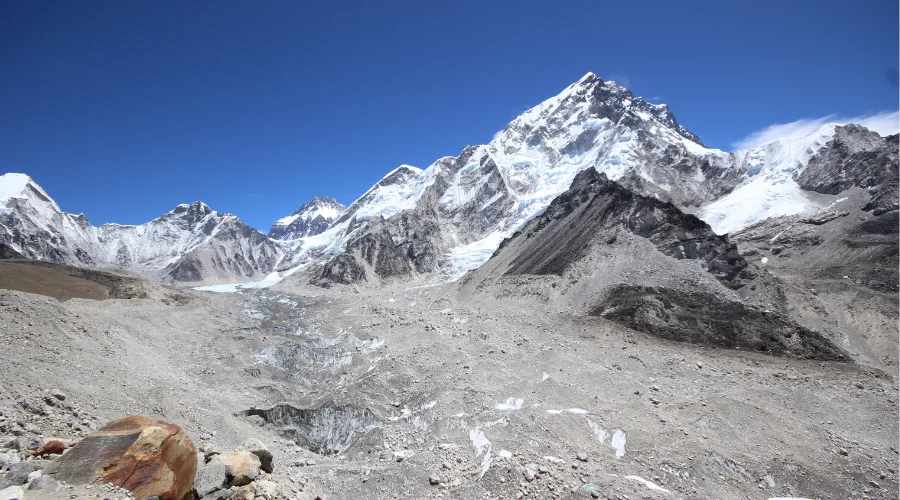
For many years, every climber using the north route passed this exact spot, making his location widely known in the mountaineering community.
The cave became a fixed point on the trail simply because it sits directly on the main climbing path and cannot be avoided.
How Did Green Boots Die?
Green Boots died during the 1996 Mount Everest expedition, a tragic season known for harsh weather and multiple fatalities.
Green Boots is widely believed to be Tsewang Paljor, an Indian climber from the Indo-Tibetan Border Police team. His team was attempting the summit from the northeast ridge in difficult weather conditions.
On the day of the climb, the weather changed quickly. Strong winds and low visibility made the route extremely dangerous. The team was already climbing in the Death Zone, a place above 8,000 meters where the body cannot survive for long. The lack of oxygen slows the body, weakens decision-making, and makes every step feel heavier.
During their final summit push, the team members became separated in the storm. Paljor and two others continued toward the top, but while descending, they never made it back.
The combination of extreme cold, exhaustion, and low oxygen most likely caused their deaths. Paljor took shelter in the small rocky cave on the trail, but the conditions were too severe for survival.
He was found in a resting position, suggesting he may have tried to wait out the storm or gather enough strength to continue. Unfortunately, in the Death Zone, even stopping for a short time can be fatal. Once the storm intensified, there was no chance for rescue or movement.
This is how Green Boots remained in that exact spot, becoming one of the most recognized figures on Everest not because of who he was, but because of where he fell and the bright green boots he wore during his final climb.
Green Boots and Other Nearby Landmarks
Green Boots’ story is closely linked with other tragic and well-known figures on Mount Everest. The most notable is “Sleeping Beauty,” another climber who died near the same area on the north route.
Climbers often passed both Green Boots and Sleeping Beauty as they made their way through the Death Zone, creating a chilling reminder of Everest’s dangers.
Green Boots also became connected in stories with climbers like David Sharp, who died in 2006 near the same north route. While each of these climbers had different journeys, their deaths shared a common theme: the extreme challenges of climbing above 8,000 meters.
Limited oxygen, freezing temperatures, and exhaustion make survival nearly impossible once the body begins to fail.
For mountaineers, passing Green Boots and other well-known bodies became more than just a waypoint. It became a stark lesson in preparation, caution, and respect for the mountain.
Green Boots Appearance
Green Boots became instantly recognizable to climbers because of his bright green Koflach mountaineering boots.
Beyond the boots, his body was found wearing standard high-altitude climbing gear, including insulated clothing and a helmet, frozen in the small cave that later became his landmark.
Over time, climbers who passed him could identify him not by face since the extreme cold had frozen his features but by the distinct neon-green boots that stood out against the white snow and grey rocks.
This made him a fixed point on the north route, and many mountaineers referred to him simply as “the man in the green boots.”
The image of Green Boots became iconic in Everest mountaineering culture, showing both the tragedy of the Death Zone and the harsh reality of climbing above 8,000 meters.
How long is Green Boots on Everest?
Green Boots remained on Mount Everest for over two decades, becoming a permanent landmark for climbers on the north route.
Green Boots died in 1996, and his body stayed in the small cave near 8,500 meters because recovering bodies from the Death Zone is extremely dangerous and often impossible.
Over the years, thousands of climbers have passed by him. Some took photos, others left notes, but his body stayed largely undisturbed because moving a body at that altitude is risky and requires specialized equipment.
The extreme cold essentially preserved him, keeping the neon-green boots and climbing gear intact for decades.
Family of Green Boots (Tsewang Paljor)
Green Boots, widely believed to be Tsewang Paljor, came from a close-knit family in India. His mother, Tashi Angmo, was deeply concerned about his mountaineering ambitions and reportedly opposed his Everest expedition.
Despite her fears, Paljor pursued his dream, a decision that would leave a lasting mark on both his family and the mountaineering world.
He had at least five siblings, including a brother named Thinley Paljor, who later spoke about the shock and grief of seeing his brother referred to online as “Green Boots.”
Thinley recalled that Tsewang was a reserved and shy person in his youth, more focused on his passion for mountaineering than on marriage or starting a family.
In fact, Tsewang Paljor never married and had no children, dedicating his life to the challenges and adventures of high-altitude climbing.
After his tragic death in the Death Zone of Everest, his family faced the heartbreaking reality that they could not bring his body back for a proper burial due to the extreme risks and high costs.
A small insurance payout of around US$3,690 provided little relief against the loss they endured.
Is Green Boots Still on Mount Everest?
For many years, Green Boots remained in his small cave on the northeast route of Everest, near 8,500 meters, becoming a grim landmark for climbers.
His body stayed there because removing a body from the Death Zone is extremely dangerous and requires specialized equipment, which few expeditions could provide.
Over time, there were reports that some climbers or authorities attempted to move or reposition him slightly to make the path safer. However, as of 2025, most sources indicate that Green Boots’ body has not been fully removed from Everest.
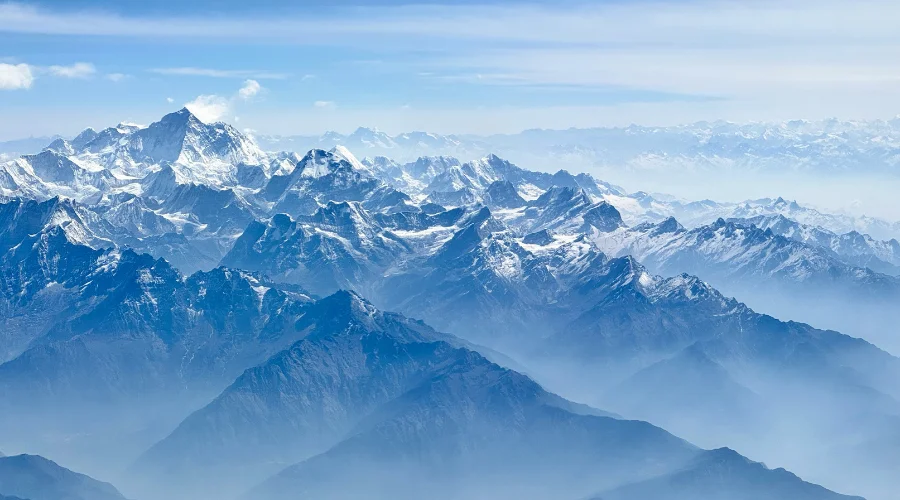
The cave where he lay may have changed slightly due to shifting snow and ice, but the exact location remains a reference point on the north route.
Green Boots continues to be both a warning and a memorial, showing the risks climbers face above 8,000 meters. While many hope for proper recovery in the future, the extreme conditions make it unlikely that his body will ever be fully brought down.
FAQS
Green Boots is the nickname given to a climber whose body was found in a small cave on the northeast route of Everest. He became a landmark for other climbers because of the bright green boots he wore.
Green Boots is known to be Tsewang Paljor, an Indian climber from the Indo-Tibetan Border Police team, though his identity has never been officially confirmed.
He died during the 1996 Everest expedition, likely due to extreme cold, exhaustion, and lack of oxygen in the Death Zone above 8,000 meters. Severe weather and treacherous conditions contributed to his death.
His body was found in Green Boots’ Cave, a small rocky shelter at around 8,500 meters on the northeast route (Tibet side) of Everest.
Yes. As of 2025, his body has not been fully removed, although the exact position may have shifted slightly due to snow and ice movement.
The nickname comes from the neon-green mountaineering boots he wore, which stood out against the snow and made him easily recognizable to climbers.
Green Boots is believed to have died in 1996, during a particularly deadly season on Everest.
He has been on Everest for over 25 years, remaining frozen in the cave along the main climbing route.
Tsewang Paljor never married and had no children. He had a mother, Tashi Angmo, and at least five siblings, including a brother named Thinley Paljor.
“Sleeping Beauty” is another climber who died near the same north route. Climbers often passed both Green Boots and Sleeping Beauty, making the two figures linked in Everest’s history.
There have been attempts to reposition him slightly to make the path safer, but he has never been fully removed due to the extreme danger of recovery in the Death Zone.
Yes. Over the years, many climbers have taken photos of Green Boots, making him one of the most recognized figures on the mountain.
He was wearing high-altitude climbing gear, including a helmet, insulated clothing, and the green Koflach boots that gave him his nickname.