Mount Everest and Mount Kilimanjaro are two of the most iconic mountains in the world, each offering a unique adventure.
Mount Everest is famous for being the highest peak on Earth. Its towering height and challenging terrain attract experienced mountaineers seeking one of the ultimate climbing experiences.
Kilimanjaro, in contrast, is the tallest mountain in Africa and is the highest free-standing mountain on the planet. Unlike Everest, Kilimanjaro is a dormant volcano with a gentle, accessible trek to the summit, making it popular among trekkers of varying experience levels.
Both mountains are celebrated for their natural beauty and the sense of achievement they bring. While Everest is synonymous with extreme mountaineering, Kilimanjaro offers a unique combination of adventure and natural diversity.
Comparing Mount Everest vs Kilimanjaro helps adventurers decide which trek best fits their skill level, physical fitness, and travel goals. Whether you are looking for a physically demanding climb or a challenging yet achievable trek, both Everest and Kilimanjaro offer unforgettable experiences.
Location and Geography
Mount Everest is located in the Himalayas, straddling the border of Nepal and Tibet (China). It is part of the majestic Himalayan range, which includes some of the highest and most rugged peaks in the world.
The surrounding landscape is dramatic, with deep valleys, glaciers, and steep cliffs. The region is also home to unique wildlife, including snow leopards and Himalayan tahr, and is rich in cultural heritage, with local Sherpa communities living in the high-altitude villages.
Kilimanjaro is situated in northern Tanzania, near the equator. Unlike Everest, Kilimanjaro is a solitary mountain rather than part of a range.
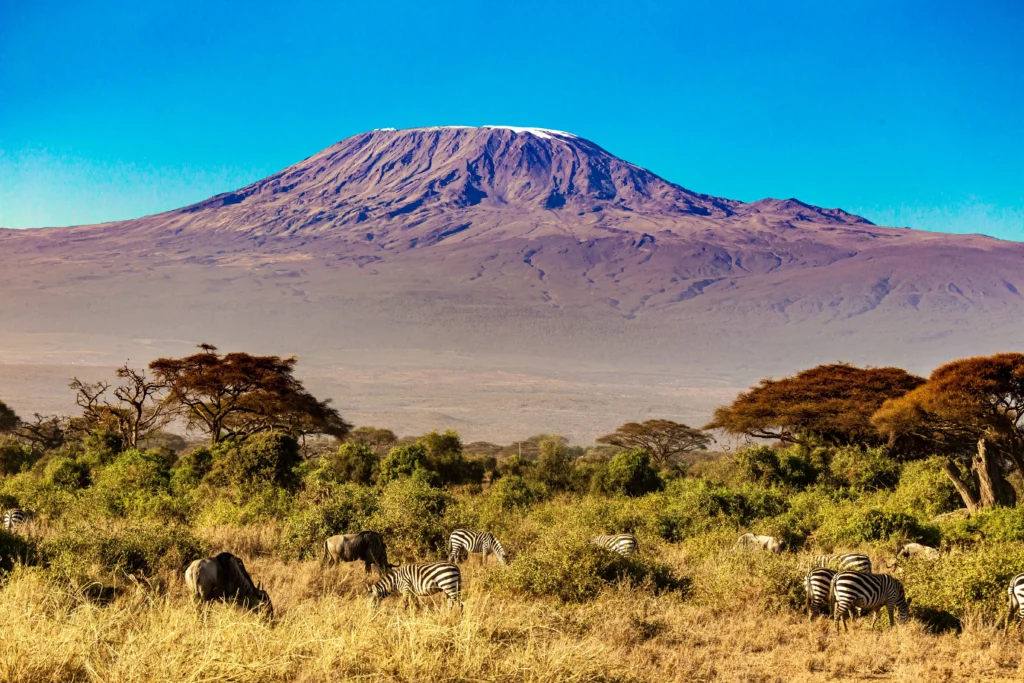
It is a dormant stratovolcano composed of three distinct volcanic cones: Kibo, Mawenzi, and Shira. Its slopes feature diverse ecosystems that change dramatically with altitude.
The location of Kilimanjaro near the equator makes it accessible year-round, although weather patterns vary between the wet and dry seasons.
Height Comparison
Mount Everest stands at 8,848.86 meters above sea level, making it the tallest mountain in the world. This extreme elevation creates thin air and low oxygen levels, which make climbing Everest extremely challenging.
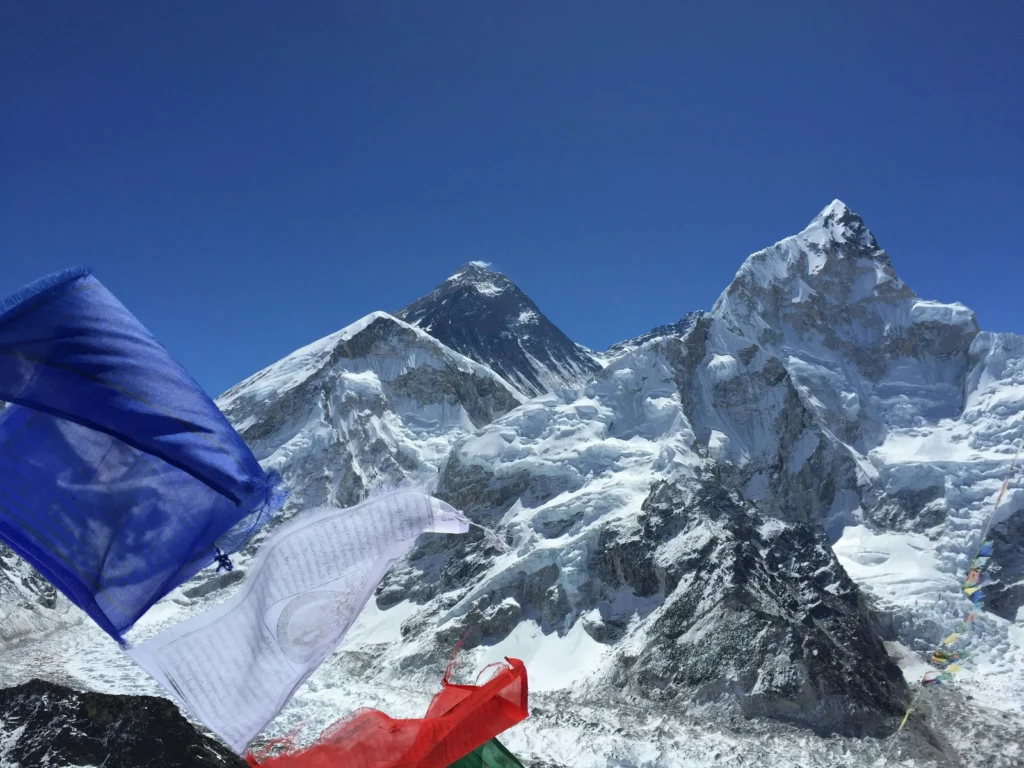
High-altitude conditions, freezing temperatures, and unpredictable weather make it a trek only for experienced mountaineers. The journey to the summit often requires weeks of preparation, acclimatization, and the use of specialized climbing equipment.
Kilimanjaro, in comparison, rises to 5,895 meters (19,341 feet). While it is much lower than Everest, it is still a formidable challenge, particularly for those not accustomed to high altitudes.
The climb is non-technical, meaning no specialized mountaineering skills are required, but altitude sickness can still be a concern. Interestingly, Everest Base Camp, the starting point for most Everest treks, is at 5,364 meters (17,598 feet), slightly lower than Kilimanjaro’s summit.
This means trekkers reaching Kilimanjaro’s peak experience higher elevation than those at Everest Base Camp, but without the technical climbing risks associated with Everest.
Height is one of the most obvious differences between the two mountains, but it also influences the difficulty, weather, and preparation needed for the climb.
Everest represents a high-risk, extreme adventure, while Kilimanjaro offers a challenging yet achievable goal for a broader range of trekkers.
Mountain Formation and Features
Mount Everest is part of the Himalayan mountain range, which was formed around 60 million years ago due to the collision of the Indian and Eurasian tectonic plates.
This ongoing geological activity continues to make Everest grow slightly taller each year. Everest is known for its jagged ridges, glaciers, and towering cliffs.
The Khumbu Icefall, one of the most dangerous sections, is a series of constantly shifting ice blocks, making the climb technically challenging.
The mountain also experiences extreme weather, with sudden snowstorms and strong winds, which adds to its dramatic features and perilous reputation.
Kilimanjaro, by contrast, is a dormant volcanic mountain composed of three cones: Kibo, Mawenzi, and Shira.
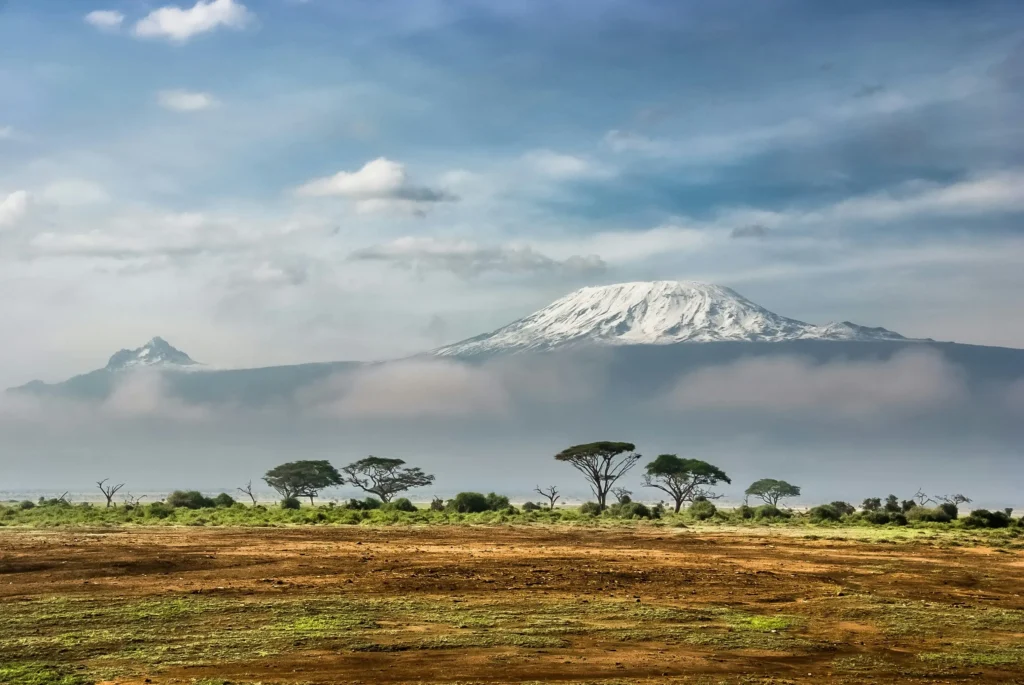
Unlike Everest, Kilimanjaro has a relatively gentle slope, which makes it suitable for trekking without technical climbing skills. Its distinct ecosystems from tropical forests and moorlands to alpine deserts and glacial ice make it a natural wonder.
The Kibo summit crater, covered with snow and ice, is the highest point of the mountain and offers spectacular sunrise views, attracting trekkers who want both adventure and scenic beauty.
Mount Everest vs Kilimanjaro Difficulty Level
Climbing Everest is considered one of the most extreme adventures in the world. The combination of high altitude, unpredictable weather, and technical climbing sections requires extensive training and preparation.
Mountaineers face risks such as frostbite, avalanches, crevasses, and severe altitude sickness. The climb also demands advanced equipment like oxygen tanks, ropes, and harnesses.
Only experienced climbers with proper support teams can safely attempt Everest, making it an elite adventure for serious mountaineers.
Kilimanjaro, on the other hand, is classified as a non-technical climb. While it is physically demanding due to the elevation gain and long trekking days, it does not require ropes, ice axes, or technical climbing experience. Trekkers mainly need good fitness, stamina, and proper acclimatization to avoid altitude sickness.
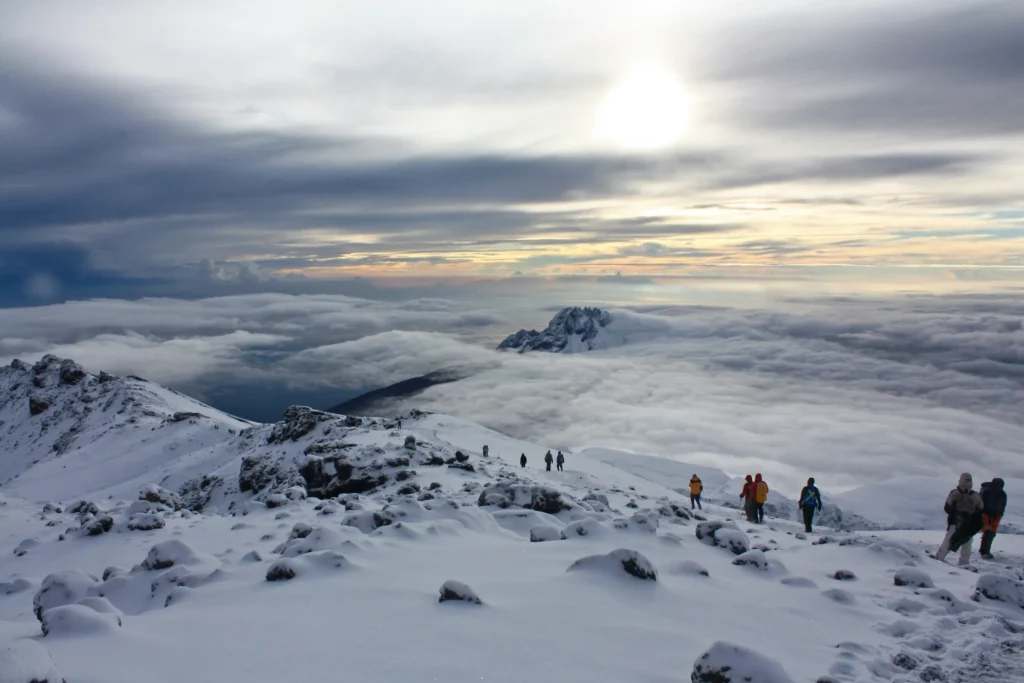
The mountain is challenging in its own way because of the rapid change in climate zones from humid forests at the base to freezing alpine conditions at the summit but it is accessible to a wider range of adventurers.
Base Camp and Trekking Routes
Everest is best known for its Base Camp treks, which provide a way for trekkers to experience the Himalayas without climbing to the summit.
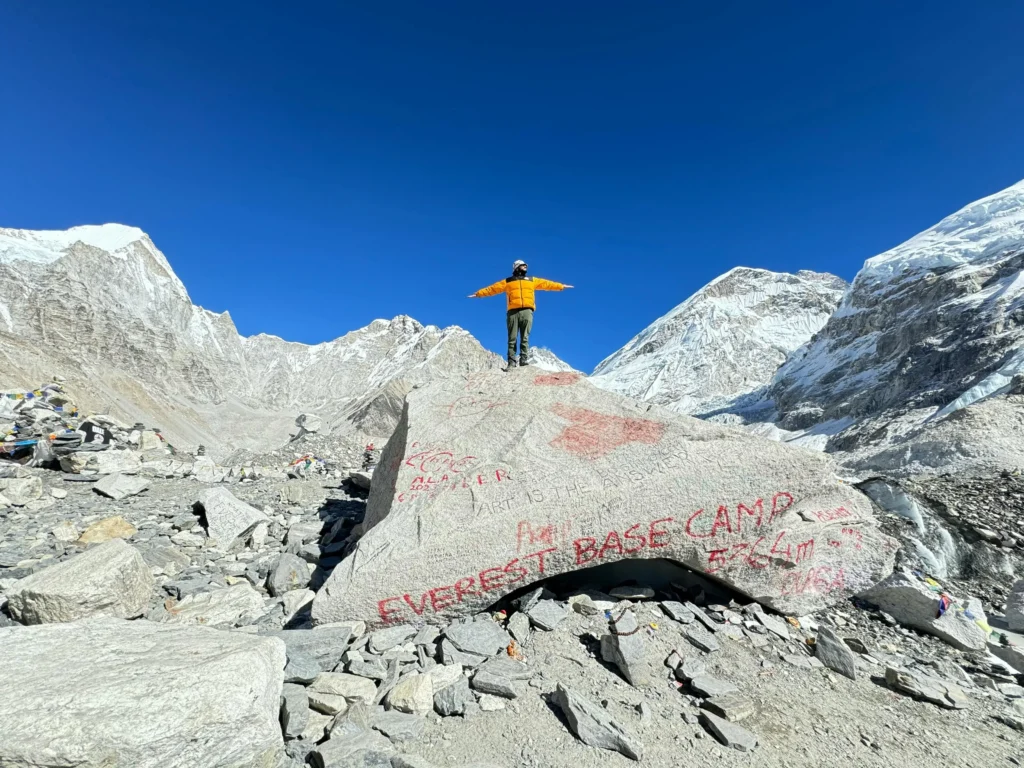
Everest Base Camp sits at 5,364 meters (17,598 feet) and offers stunning views of the surrounding peaks. The trek passes through Sherpa villages, monasteries, and rugged trails, providing both cultural and natural experiences. Trekkers spend about 12–14 days on this journey, allowing proper acclimatization to the altitude.
Kilimanjaro does not have a “base camp” like Everest, but it offers several trekking routes leading to its summit. Popular routes include the Marangu, Machame, Rongai, and Lemosho trails, each varying in length, difficulty, and scenery.
The trek usually takes 5–9 days, depending on the chosen route, and passes through diverse landscapes, from rainforests and moorlands to alpine deserts.
Unlike Everest, Kilimanjaro treks are usually guided but require no technical climbing gear, making it more accessible while still rewarding trekkers with a high-altitude adventure.
Weather and Best Time to Climb
Mount Everest experiences extreme weather conditions due to its high altitude.
The best time to trek to Everest Base Camp or attempt the summit is during the pre-monsoon season (March to May) and the post-monsoon season (late September to November).
During these months, skies are generally clear, offering breathtaking views of the Himalayan peaks. Outside these windows, heavy snowfall, strong winds, and the monsoon rains make trekking extremely risky.
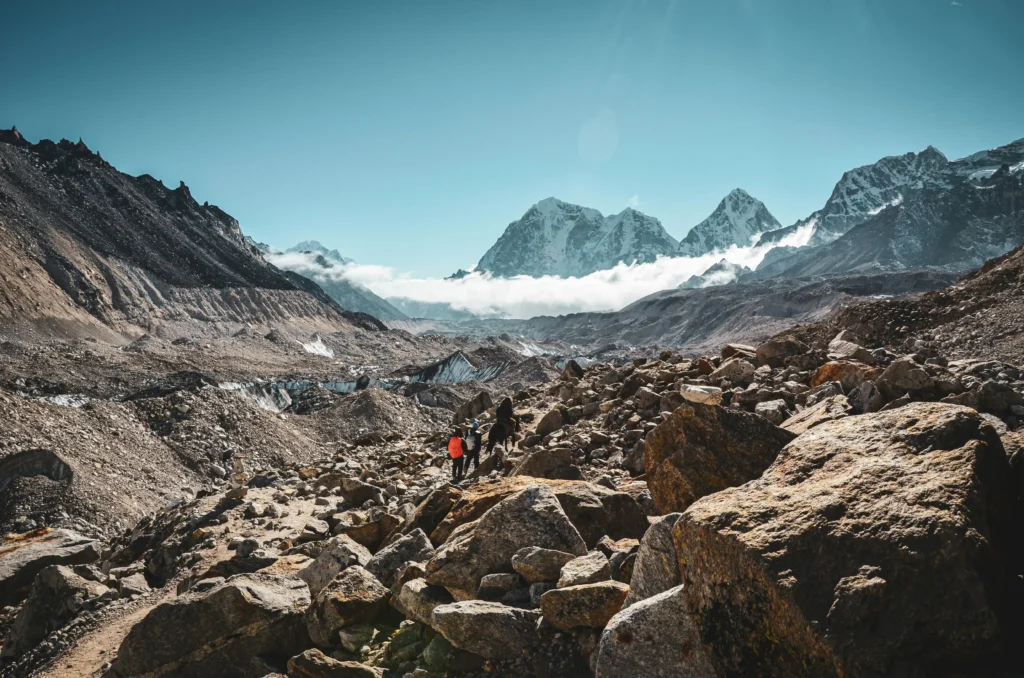
Even in the best seasons, temperatures at Everest Base Camp can drop below -20°C, and climbers must be prepared for sudden weather changes.
Kilimanjaro’s weather is more moderate but varies significantly with altitude. The base is warm and humid, while the summit is cold, often below freezing. The dry seasons, January to March and June to October, are considered the best times to climb.
These months provide clearer skies and lower chances of rainfall, making the trek safer and more enjoyable.
Unlike Everest, Kilimanjaro’s weather does not require high-altitude mountaineering gear, but proper layering and preparation are essential to handle the drastic temperature changes from base to summit.
Risk Factors and Safety
Climbing Mount Everest carries high risks, even for experienced mountaineers. The most significant dangers include altitude sickness, avalanches, extreme cold, crevasses, and the physical strain of long climbs at high elevations.
Rescue operations can be difficult and expensive due to the mountain’s remote location. Death rates on Everest are higher compared to most mountains, and climbers must be fully prepared with proper training, equipment, and guides.
Kilimanjaro, while generally safer, also carries risks primarily related to altitude sickness. Trekkers ascend quickly, which can cause headaches, nausea, and dizziness.
Unlike Everest, there are no technical climbing dangers like icefalls or avalanches. Safety largely depends on pacing, acclimatization, and choosing experienced guides.
Most accidents on Kilimanjaro are preventable with proper preparation, making it suitable for adventurous travelers who may not be professional climbers but want a challenging trek.
Climbing Costs and Permits
Climbing Mount Everest is an expensive endeavor. The total cost includes permits, equipment, guide services, oxygen tanks, and support teams.
Permits alone can cost several thousand dollars per climber, and most expeditions run into tens of thousands of dollars. The climb requires careful planning months in advance and often involves hiring experienced guides and Sherpa support to maximize safety and chances of success.
Kilimanjaro is significantly more affordable. Trekking permits, guide services, porters, and basic equipment usually cost a fraction of an Everest expedition.
Depending on the route and tour operator, the total cost ranges from $1,500 to $4,000, making it accessible to more travelers.
While less expensive, Kilimanjaro still requires careful preparation and booking through authorized operators to ensure a safe and organized trek.
Adventure Experiences
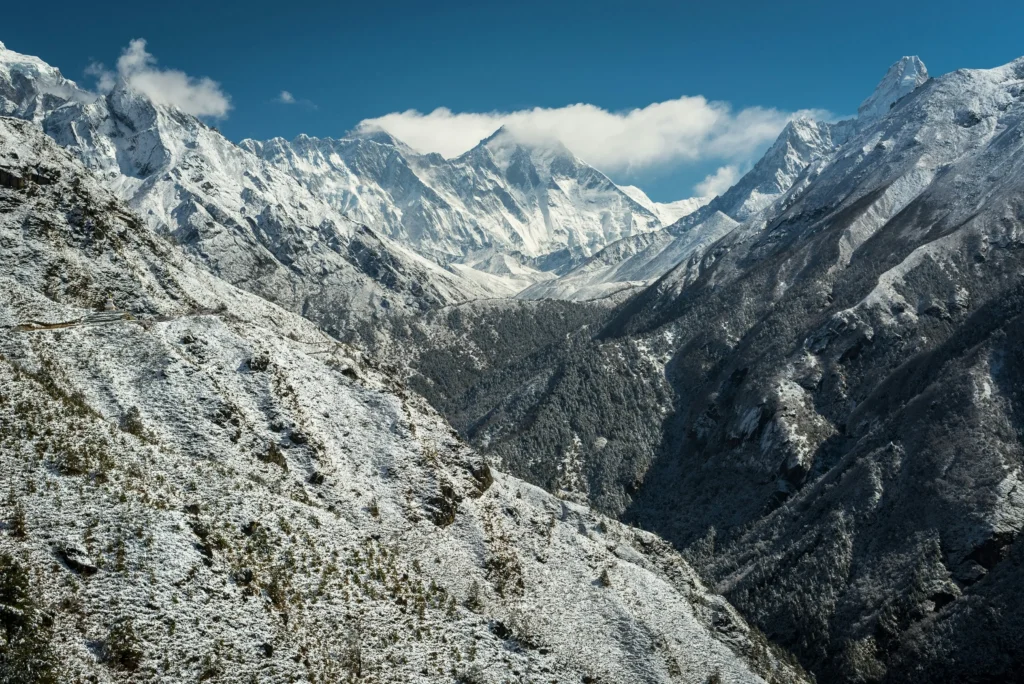
Everest and Kilimanjaro both offer unforgettable adventure experiences, but in very different ways. Everest, especially the Base Camp trek, immerses trekkers in the high Himalayas, passing through Sherpa villages, Buddhist monasteries, and rugged landscapes.
Climbers often face physically demanding trails, steep climbs, and unpredictable weather, which adds to the thrill.
Kilimanjaro offers a unique adventure because of its diverse ecosystems. Trekkers pass through tropical rainforests, moorlands, and alpine deserts before reaching the icy summit.
Unlike Everest, Kilimanjaro allows trekkers to experience a variety of landscapes in a single climb, making it appealing for both nature lovers and adventure seekers.
The sunrise at Uhuru Peak, the mountain’s highest point, is a highlight that provides a sense of achievement similar to summiting Everest, but with less technical difficulty.
Popularity and Tourist Appeal
Everest attracts professional climbers and trekkers who want to experience one of the most challenging mountains in the world.
The Base Camp trek has gained global popularity, and thousands of trekkers visit Nepal each year to experience the Himalayas. The combination of cultural exposure, stunning landscapes, and mountaineering prestige makes Everest a bucket-list destination for serious adventurers.
Kilimanjaro is one of the most popular trekking mountains in Africa and is considered more accessible for first-time high-altitude trekkers. Its appeal lies in the combination of adventure, nature, and the relatively achievable summit.
Kilimanjaro treks attract a wide range of travelers, from amateur hikers to professional adventurers, because it provides a high-altitude experience without the extreme risks of Everest. The mountain’s unique ecosystems and spectacular views also make it a photographer’s favorite.
Abbreviations and Common References
Mount Everest is often abbreviated as EBC when referring to Everest Base Camp or simply as Mt. Everest in trekking and climbing discussions. Kilimanjaro is frequently referred to as Mt. Kilimanjaro or simply Kili by locals and trekkers.
These abbreviations are commonly used in travel guides, blogs, social media, and even crossword puzzles. Knowing these terms helps travelers quickly identify routes, packages, or discussions about these iconic mountains.
Comparing Everest with Other Mountains
While Everest is the tallest mountain on Earth, it is often compared with other famous peaks like K2, Mauna Kea, and Kilimanjaro.
K2 is technically more difficult and dangerous than Everest, with a higher fatality rate among climbers. Mauna Kea in Hawaii, when measured from its based on the ocean floor, is technically taller than Everest, though its summit is much lower above sea level.
Kilimanjaro, as a free-standing volcano, provides a very different climbing experience than both Everest and K2, focusing on trekking rather than technical mountaineering. These comparisons help adventurers understand the level of challenge, risk, and experience they can expect.
Death Rates and Risks: Everest vs Kilimanjaro
Climbing Mount Everest is considered one of the most dangerous adventures in the world. Since the first successful ascent in 1953, over 300 people have died on Everest.
The fatality rate varies by season and route but averages around 1–2% of climbers. The main causes of death include altitude sickness, falls, avalanches, exposure to extreme cold, and exhaustion.
Even reaching Everest Base Camp, while safer than summiting, involves exposure to harsh conditions, high altitudes, and risk of illness.
Kilimanjaro, in comparison, is far safer. While altitude sickness is the primary risk for trekkers, deaths are extremely rare.
Less than a handful of fatalities occur each year, often due to underlying health issues or insufficient acclimatization. Kilimanjaro does not involve technical climbing hazards like icefalls or avalanches, and its trekking routes are generally well-maintained and guided.
Proper preparation, acclimatization, and hiring experienced guides drastically reduce risks, making Kilimanjaro a challenging but accessible mountain for a wide range of adventurers.
Differences between Mount Everest vs Kilimanjaro
| Feature | Mount Everest | Mount Kilimanjaro |
|---|---|---|
| Location | Nepal-Tibet, Himalayas | Northern Tanzania, Africa |
| Height | 8,848 m | 5,895 m |
| Climbing Difficulty | Extreme, technical | Moderate, non-technical |
| Base Camp / Trek | Everest Base Camp Trek | Machame, Marangu, Rongai, Lemosho routes |
| Duration | 12–14 days (Base Camp) | 5–9 days |
| Risk / Death Rate | High (~1–2%) | Low (very rare) |
| Cost | $30,000–$70,000+ | $1,500–$4,000 |
| Experience Type | Extreme mountaineering | High-altitude trekking & adventure |
Conclusion: Which One Should You Choose?
Choosing between Mount Everest vs Kilimanjaro depends on your adventure goals, physical fitness, and experience level.
If you are seeking the ultimate mountaineering challenge, technical climbing, and extreme high-altitude adventure, Everest is the mountain to aim for.
For trekkers seeking a high-altitude experience with lower risk and technical difficulty, Kilimanjaro offers an incredible journey through diverse ecosystems and stunning landscapes.
Both mountains provide unforgettable experiences, breathtaking views, and a sense of accomplishment. Whether you choose Everest or Kilimanjaro, preparation, physical fitness, and proper guidance are essential.
Your choice ultimately comes down to the type of adventure you seek: extreme mountaineering or a challenging yet accessible trek.